Merz's Plan for 2026: Cheap Power & Tax-Free Pensions

Too short? 📰 Read the full version here.
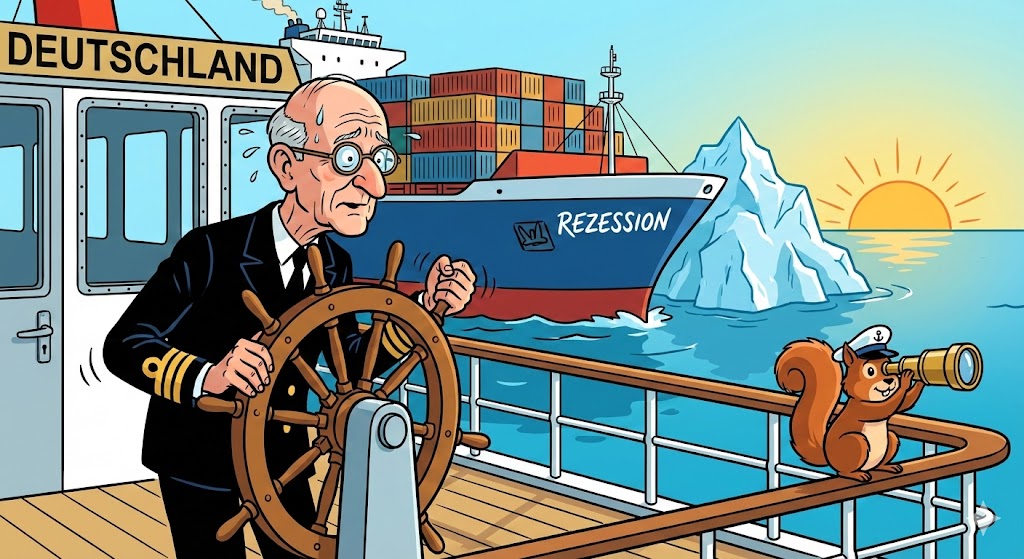
Symbolic image: Chancellor Merz steers the ship "Germany" through the crisis.
What happened? – 3 Sentences
Chancellor Friedrich Merz explained in the Bundestag today what the government wants to spend money on in 2026. He plans record spending of over 524 billion euros. This is intended to boost the economy, even though Germany currently has little money.
The Essentials
The government has two big problems: The economy is doing poorly (recession) and there is a shortage of skilled workers. Merz presented two solutions for this:
⚡ 1. The Industrial Electricity Price
Large factories (like steel mills or chemical plants) use extremely large amounts of electricity. Because electricity is expensive in Germany, many companies are moving abroad. From January 1, 2026, the state will pay part of their electricity bill. This is intended to secure jobs in Germany.
👴 2. The Active Pension
Germany needs workers. Therefore, it should be worthwhile to continue working even in retirement age. Anyone who already receives a pension and still works can earn up to 2,000 euros per month tax-free. This means: Gross equals Net.
Why does this matter?
Many companies are going bankrupt or moving away. Merz is trying to turn the rudder around ("The tanker is turning"). He is spending a lot of money to keep industry here. At the same time, he continues to support Ukraine with 11.5 billion euros, which the AfD strongly criticizes.
What do others say?
The AfD says: This is all a waste of money. They want to build nuclear power plants instead and stop paying money to Ukraine.
The Greens think the help for Ukraine is good, but say: We need even more money for climate protection.
The FDP warns: If the state pays for electricity for companies, it is unfair to small businesses (like bakers) who do not get this.